




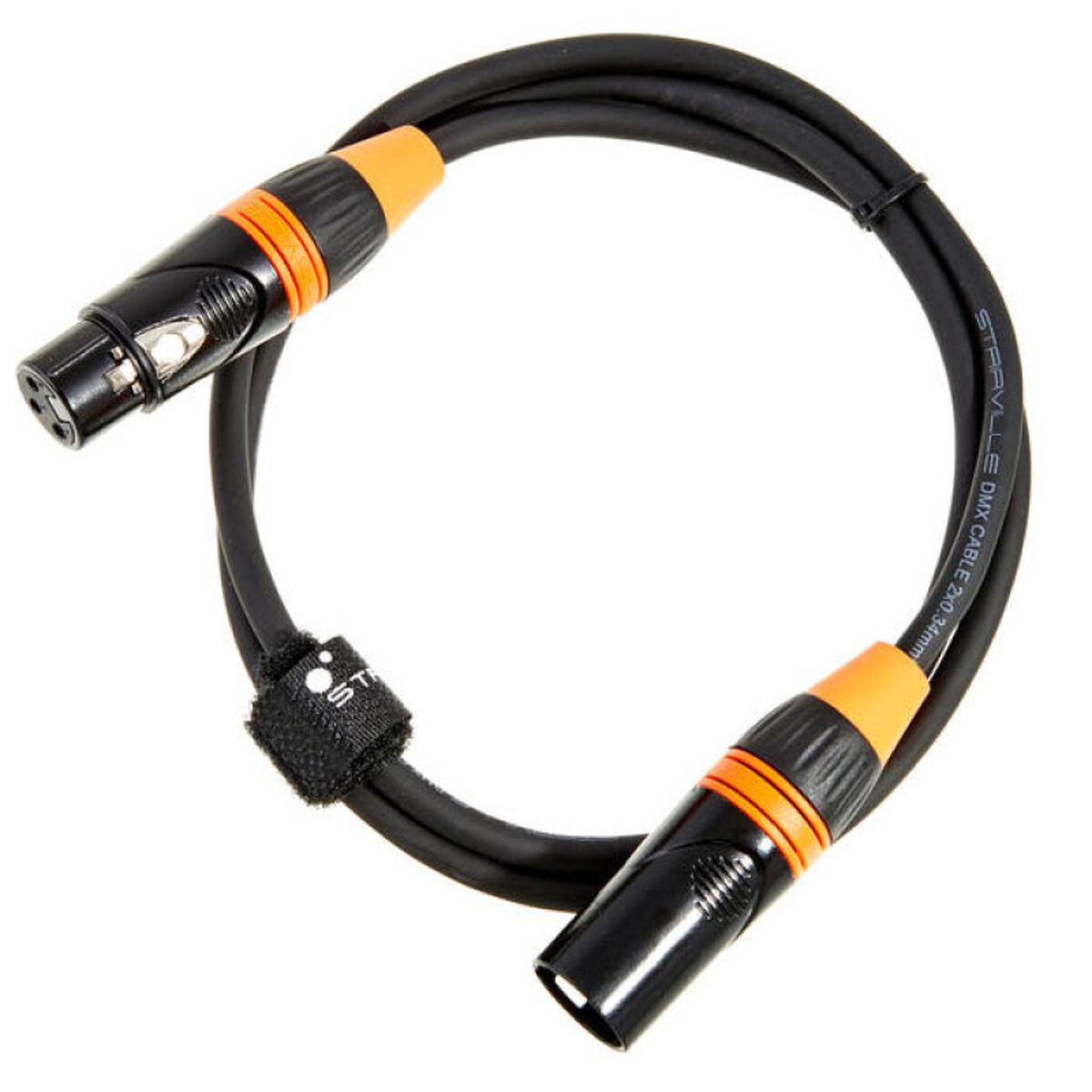


XLR, DMX and network: which lead for which job
They look similar and are not interchangeable
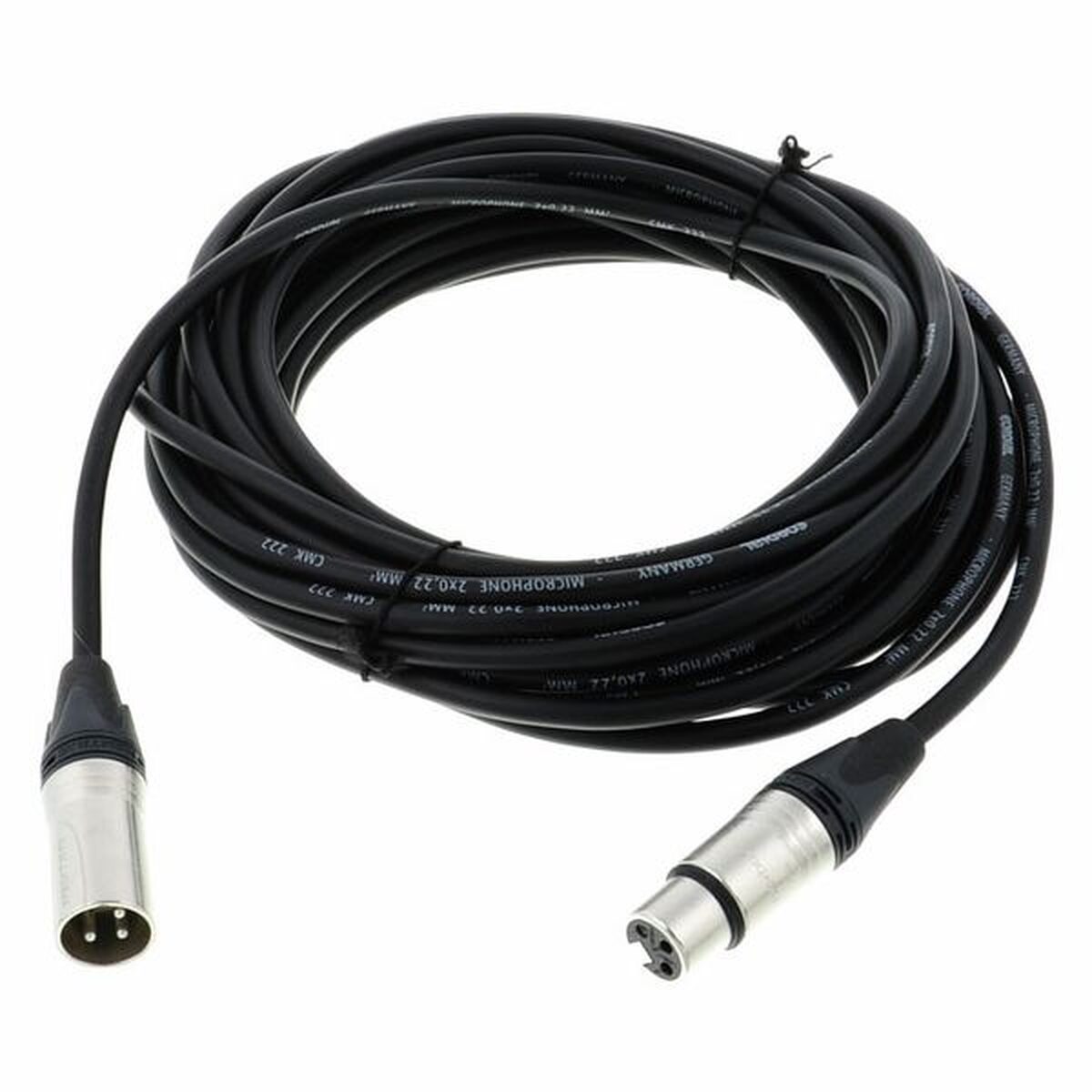
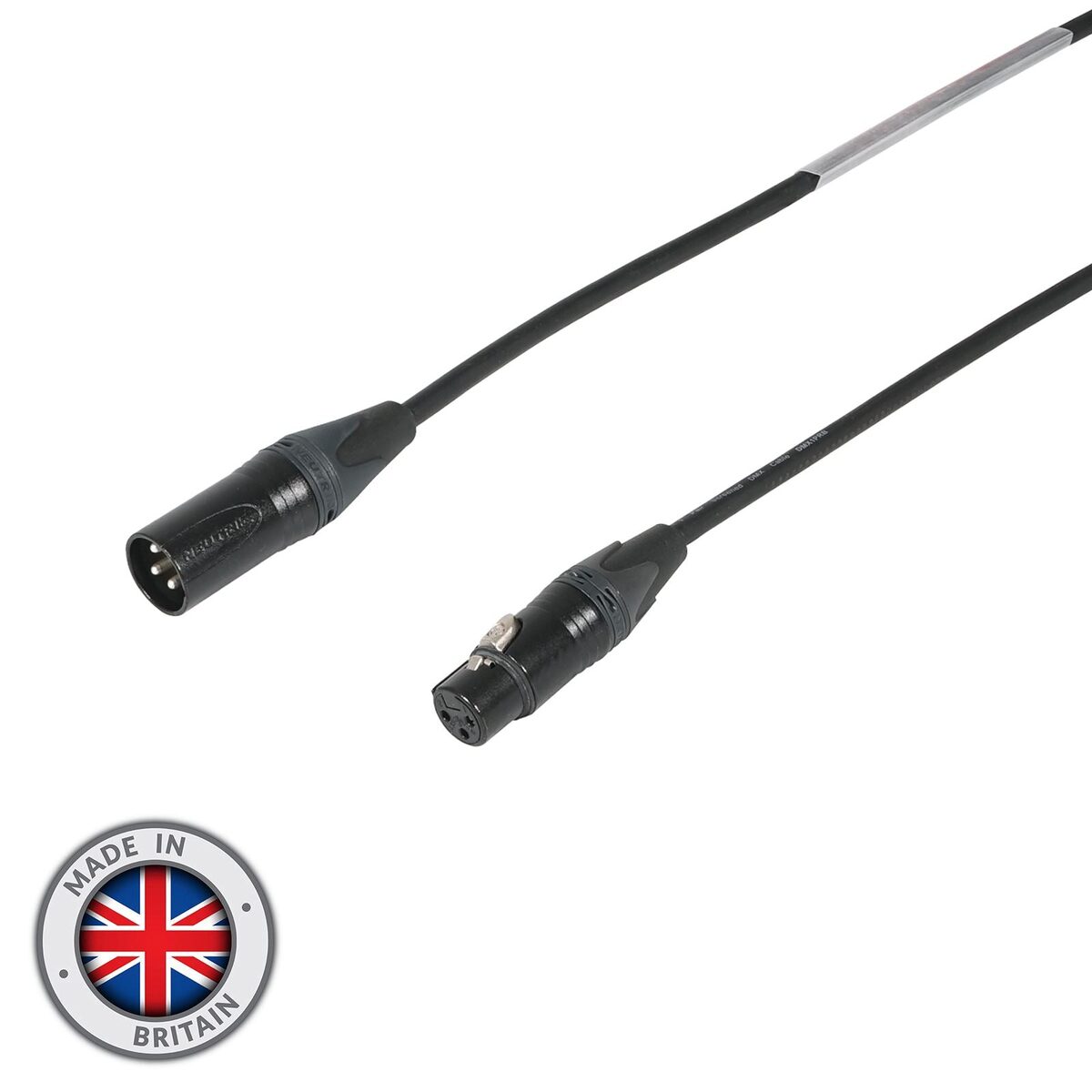
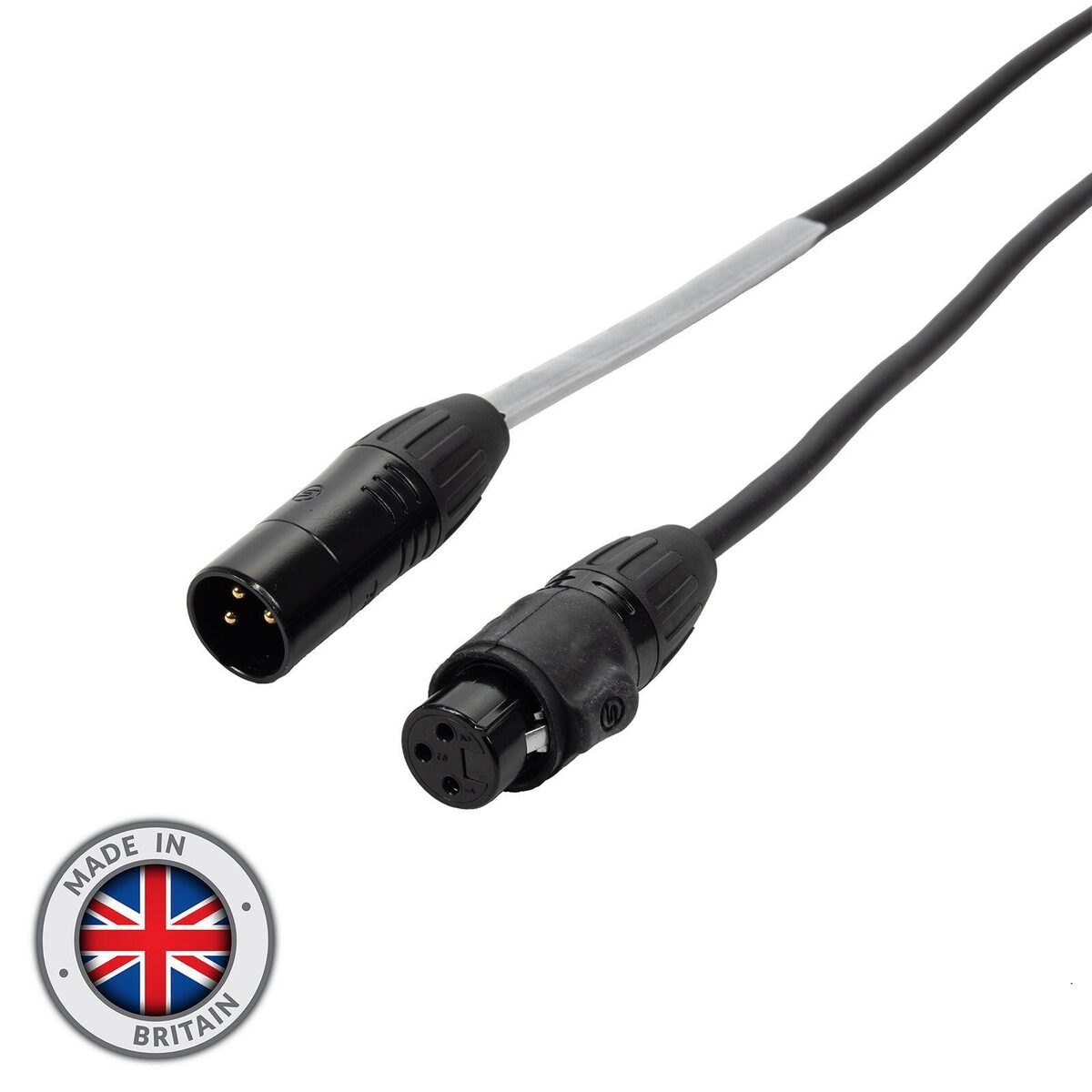
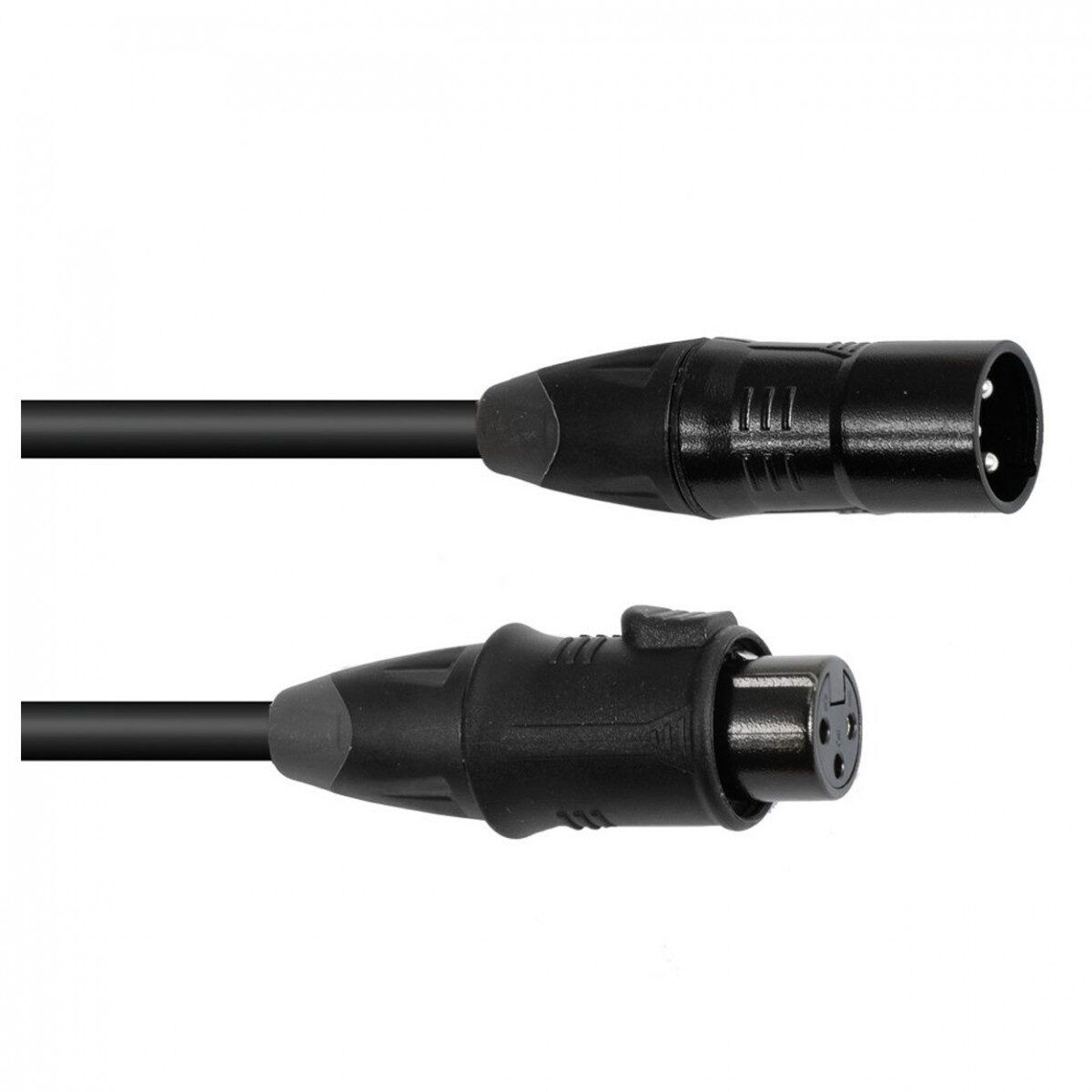
An XLR microphone lead, a three-pin DMX lead and a network cable do different jobs and are made to different standards. The audio lead carries a tiny balanced signal and has to keep interference out; the DMX lead carries a fast data stream between the controller and the fixtures; the network cable carries whole universes of lighting data over long distances. Using the wrong one usually works for a while, then does not.
Choosing the length
- Stock lengths run from one metre for linking fixtures on a bar to twenty five metres for crossing a room.
- The fifty metre reel and the hundred metre network cable cover a venue where the control is at the back.
- Order a little more than the measurement. A cable under tension pulls on a connector and is the most common reason a channel goes quiet.
- Run cable around the edge of a room rather than across it, and take it over doorways rather than under them.
Looking after the run
- Never let a cable take weight. Support it where it crosses a gap and tape at the connector, not on the lead itself.
- Coil over and under so the cable lies flat next time and the screen does not kink.
- Terminate the last fixture in a DMX chain. The terminator set costs less than an evening of chasing flicker.
- Label the runs on a complicated rig and it will be obvious where a fault is when something stops.
Common questions
- What is the difference between a DMX cable and a microphone cable?
- Both can have three-pin XLR plugs, which is where the confusion starts. A DMX cable is made to carry data at the rate lighting uses; a microphone cable is not. For a short hop it usually works, but on a long run a mismatched lead shows up as flicker or a fixture ignoring its instructions.
- Do I need Cat5 if I am not using a computer?
- No. Cat5e is for Art-Net and other network control, where a console or a node sends lighting data down a network cable instead of a DMX line. On a simple rig the DMX leads are all you need.
- Are the cables tested before they go out?
- Yes — leads are tested and tagged, and anything that fails stays behind. If something misbehaves on the night, tell us: a swap is quicker than a diagnosis.
XLR microphone leads, DMX cabling to link lighting fixtures to the desk, and Cat5e runs for the network control that modern lighting and audio rely on. All tested and tagged before they go out. Order the extra length rather than stretching one cable across a room: a cable under tension is the most common cause of a channel dropping out mid-speech. Sent out with your order anywhere in Lincolnshire and Nottinghamshire, or collected from Lincoln.
Can't see what you're looking for?
Don't worry, we're here to help! Contact us today to get a personalised quote based on your specific needs.